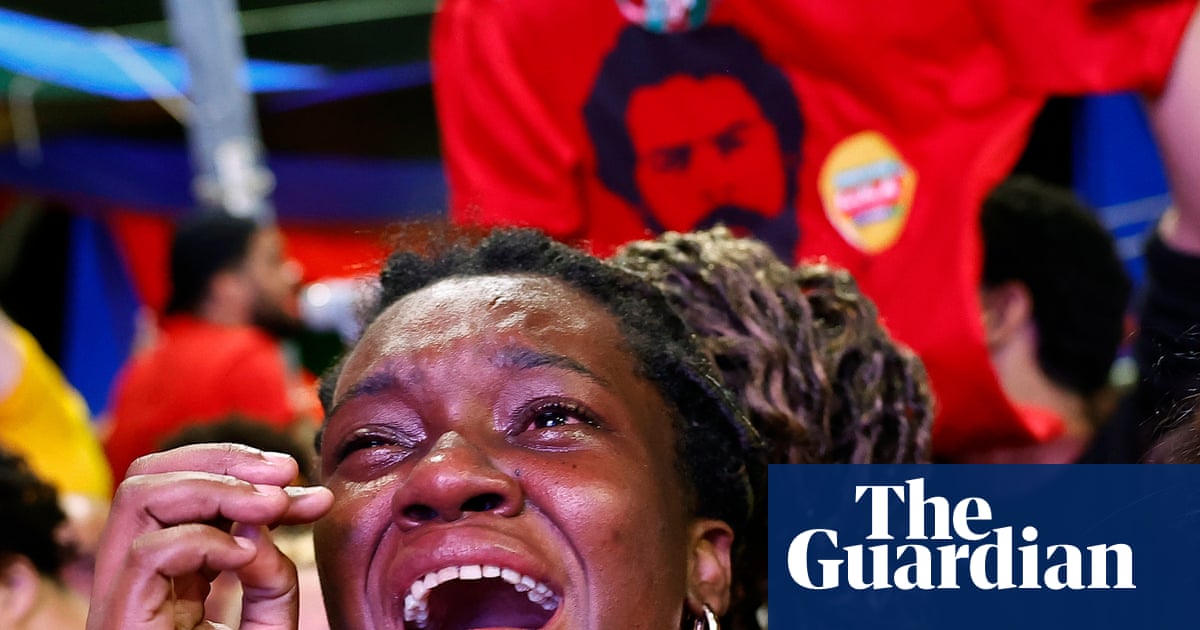
The victory of Luiz Inácio Lula da Silva in Brazil's presidential runoff has significant implications for the country's environmental policies and democratic institutions.
The victory of Luiz Inácio Lula da Silva in Brazil's presidential runoff has significant implications for the country's environmental policies and democratic institutions. According to the report, Lula's win provides a playbook for social and environmental movements in other countries facing elections.
The report notes that Lula's administration has announced a record fall in Amazon and Cerrado destruction, and hopes are high that Brazil can achieve its target of zero deforestation by 2030. This would provide a huge boost to global efforts to stabilise the climate and protect degraded ecosystems.
However, big battles lie ahead, with far-right members of Bolsonaro's party winning governorships and municipal mayorships in the Amazon region. Brazil's congress is dominated by agribusiness and mining interests that will push hard to allow more extractivist industries in indigenous lands and weaken environmental protections.
The regional and global implications of Lula's win are also significant. As the only leader of a main South American nation not aligned with Donald Trump's Shield of the Americas, Lula will face pressure from Washington to channel critical minerals and other natural resources to the US. Additionally, Brazil faces the threat of accelerating global heating, which is pushing the Amazon ever closer to the point of no return.
The victory of Lula has brought hope for environmental protection and democracy, not just in Brazil but also globally. The report suggests that Lula's win provides a remarkable example of leadership by the global south, and his administration's commitment to environmental protection and social justice could have a significant impact on the global stage.