The timing of the arrest is the central fact here.
Argentine authorities arrested a 49-year-old man accused of making death threats against Pope Leo XIV, according to TRT World, in an operation that unfolded hours before the pontiff arrived in the country. The State Intelligence Secretariat, known as SIDE, said the arrest came less than 24 hours after officials received information about the threats. The Argentine Federal Police carried out the operation on the orders of Judge Adrian Gonzalez Charvay of the Federal Court in Campana.
The investigation began on Friday afternoon, the report says, after the Federal Police's Counter-Terrorism Investigation Unit received an alert about a threatening phone call targeting the pope's life. Cyber and field investigators then identified a residence linked to the suspect. During a raid, officers arrested the man and seized three mobile phones, including the device allegedly used to make the call, as well as a drone whose operational capabilities are being examined.
The suspect has been provisionally charged with making anonymous threats and public intimidation with the intent to cause a security threat. The use of the word provisional is significant: it indicates that the case is at an early stage and that further charges or a different legal characterisation may follow as investigators examine the seized devices. The drone is of particular interest, though the report gives no indication of what it was intended for or whether it had any connection to the alleged threat.
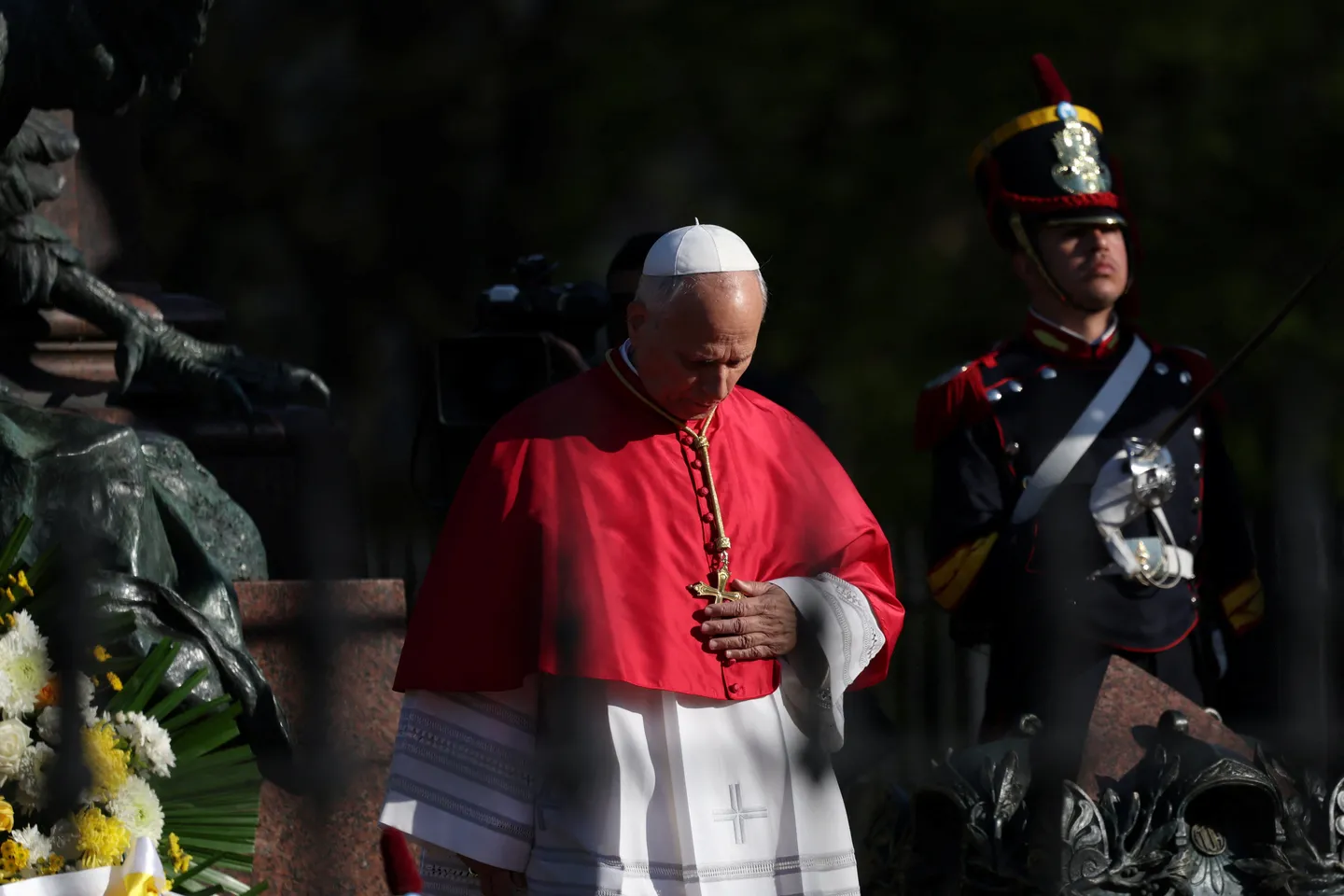
Pope Leo XIV arrived in Argentina on Sunday after visiting Montevideo, Uruguay. He is scheduled to remain in the country until November 11, when he will depart from Ezeiza International Airport for Lima, Peru. The visit marks the first papal trip to Argentina in 39 years. President Javier Milei declared the tour a matter of national interest and established local holidays during the visit to manage large public gatherings.
The timing of the arrest is the central fact here. A threat delivered by telephone, an alert passed to a counter-terrorism unit, a residence identified, a raid conducted and a suspect charged, all within roughly a day and before the pope's plane touched down. That sequence points to a security apparatus that was primed and moved quickly, and to intelligence sharing that worked at speed. It also illustrates the exposure that comes with a mass public event: a visit drawing large crowds across several days presents a wide and difficult perimeter to protect.
What is not yet known is substantial. The report does not say what the caller allegedly said, whether the suspect acted alone, what motive is suspected, or whether the drone had any operational role. It does not identify the suspect or indicate whether he has legal representation or has responded to the charge. Nor is it clear whether the threat was judged credible beyond the initial assessment that justified arrest. Until those questions are answered, the arrest should be read as a prompt security response to an alleged threat rather than as evidence of a wider plot. The visit continues, and the case now passes to the courts.