The memorandum itself is a statement of intent, not a contract for cargo.
A memorandum of understanding signed on Wednesday between Russia's Delo Group, part of the state nuclear corporation Rosatom, and South Korea's KORWELL Corporation has opened a modest but symbolically notable channel for cooperation on Arctic logistics. According to RT, the agreement covers plans to explore shipping services linking South Korea's Yeongilman Port with ports in Russia's Arctic and Far East via the Northern Sea Route.
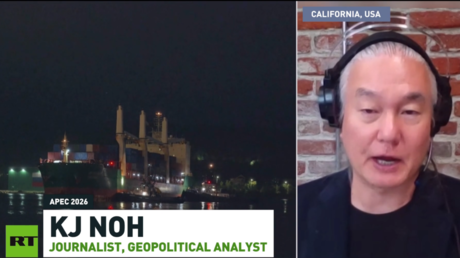
The route's appeal rests on distance and time. Speaking to RT on Friday, Korean-American journalist and geopolitical analyst K.J. Noh said the NSR "has the potential to completely revolutionize the global trade", arguing that it "shaves one third of the time off between East Asia and Europe" and bypasses the Suez Canal. A voyage of 60 days, he suggested, could take 40 or even 30 days.
Those figures are the analyst's own, offered in an interview with the Russian broadcaster, and should be treated as claims rather than established benchmarks. The memorandum itself is a statement of intent, not a contract for cargo. It commits the parties to explore services; it does not specify volumes, vessel types, schedules, financing or a start date. None of those details appears in the report.
The Suez reference carries weight at a moment when Red Sea shipping has faced disruption, though the report does not quantify current traffic or insurance conditions on either corridor. What the agreement does show is continued commercial interest in Arctic routing from East Asian operators, even as Western sanctions and reputational risk complicate dealings with Russian state-linked entities. Delo Group's position within Rosatom ties the logistics venture to a sanctioned strategic sector, a factor the report does not address.
For South Korean ports, the proposition is a familiar one: shaving days off Europe-bound voyages would improve competitiveness in time-sensitive goods. For Russia, foreign participation lends credibility to a route Moscow has long promoted. Whether either side converts an exploratory memorandum into sailings depends on ice conditions, infrastructure, insurance and the wider political climate, none of which the report examines.
What is not yet known is substantial. There is no confirmed timeline, no disclosed investment, no indication of expected cargo volumes and no comment from either company beyond the reported signing. The claim that the route could "revolutionize global trade" remains an analyst's projection. The memorandum is a signal of intent; the shipping lanes themselves are some way off.