A citizenship appeal made on that platform, before a ministry spokeswoman, is not a private administrative matter.
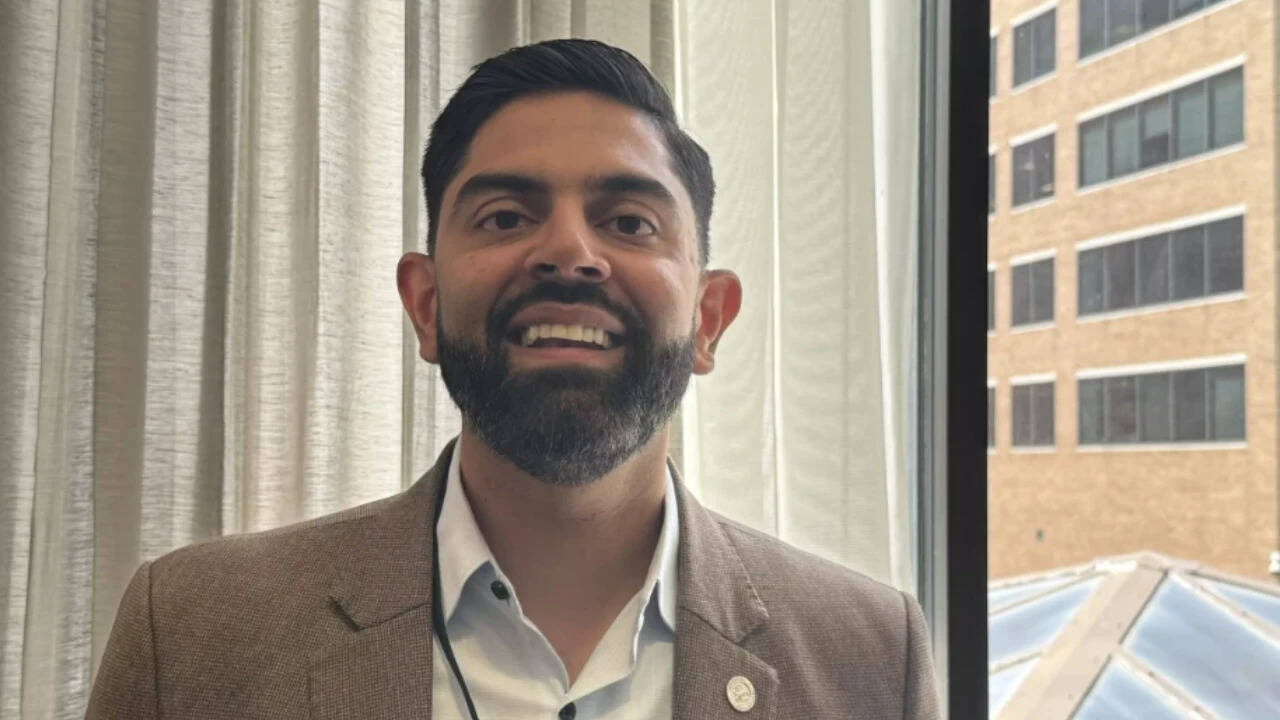
A US political analyst, John Varoli, has said publicly that he wants to obtain Russian citizenship and has asked the Russian Foreign Ministry for assistance. According to TASS, he made the request during an open discussion in Moscow titled "Unity of Peoples as a Principle of a Multipolar World: Russia's Experience and Its Significance for International Relations". Addressing the event, he asked Foreign Ministry spokeswoman Maria Zakharova to help him with the process.
Varoli presented his case in personal terms. He said he had lived in Russia for 20 years during the 1990s and 2000s, that he knows the country well, and that he holds a degree in the field. He put his total time in Russia at 22 years, mostly in those two decades, and said he had since returned. He thanked the Foreign Ministry for granting him asylum and stated plainly that he very much wants citizenship.
The background he offered is politically charged. According to the TASS report, Varoli said in 2019 that the people of Donbass had the right to determine their own future. He said he then faced legal proceedings in the United States and risked up to 20 years in prison following his statements in support of Russia. He subsequently asked Russia for asylum and, the report says, has been living in the country for more than a year. TASS also records that from 1997 to 2010 he worked in Russia while contributing articles to Bloomberg, Reuters and The New York Times.
The setting matters as much as the request. The discussion formed part of the international "Peoples of Russia" Week, held under a decree by President Vladimir Putin and timed to coincide with National Unity Day on 4 November. The Russian Security Council's Office coordinates the event, and the "Znanie. Unity" marathon is organised by the Znanie Society with the Security Council's support. TASS is the event's strategic media partner. A citizenship appeal made on that platform, before a ministry spokeswoman, is not a private administrative matter.
What the report does not establish is equally relevant. It gives no indication of whether the Foreign Ministry has responded to the request, whether any application has been filed, or what legal route a grant of citizenship might take. The account of US legal proceedings rests on Varoli's own statements as reported by TASS, and no court documents, charges or official US confirmation are cited. His asylum status is likewise described only in his words. The report does not say when he returned to Russia, where he is living, or what the discussion's other participants said.
For an informed reader, the episode is a small but telling data point. It illustrates how a Western commentator who breaks with prevailing opinion in his own country can be absorbed into Russia's public diplomacy, and how citizenship itself can serve as a signal in a multipolar narrative. That framing is the event's, and the report's. The substance of the request, and any official answer to it, is not yet known.