
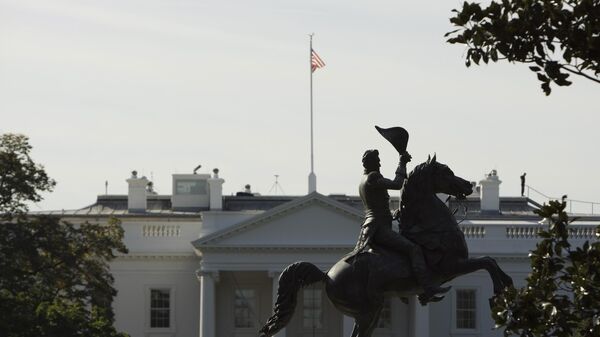
The choices America makes today will determine whether it reinforces its legacy of leadership or embarks on a path of self-destruction.
The United States finds itself at a pivotal juncture, where the consequences of its choices could either reinforce its status as a dominant global power or catalyze a descent into chaos. The question of whether America is headed towards the end of its hegemonic era or is actively pursuing a path of self-inflicted apocalypse is not merely rhetorical; it reflects deep-seated anxieties about the nation’s future in a rapidly evolving geopolitical landscape.
Historically, American hegemony has been characterized by its military prowess, economic dominance, and the promotion of liberal democratic values. However, recent events have called this paradigm into question. The rise of multipolarity, exemplified by the assertive foreign policies of China and Russia, challenges the once unassailable position of the United States. This shift demands a reevaluation of strategies and alliances as traditional power structures are being tested.
In addition to external pressures, internal divisions within the U.S. pose significant risks to its global standing. Political polarization, social unrest, and economic disparities threaten to undermine the foundations of American democracy and its capacity to project power internationally. The perception of a nation in decline can embolden adversaries and disillusion allies, leading to a fracturing of the international order that has been largely maintained by U.S. hegemony.
Moreover, the current administration’s foreign policy choices reflect an oscillation between assertive engagement and isolationist tendencies. The withdrawal from Afghanistan, for instance, signified not just a military retreat but also a broader questioning of America’s role in nation-building and international intervention. If these trends continue, the U.S. risks not only ceding influence to rival powers but also fostering an environment ripe for existential crises—both domestically and abroad.
To navigate this precarious landscape, a clear-eyed assessment of both threats and opportunities is essential. The U.S. must engage in strategic recalibration, embracing a foreign policy that is adaptable, pragmatic, and rooted in multilateralism. This approach should prioritize rebuilding alliances with traditional partners while also addressing the emerging challenges posed by non-state actors and transnational issues such as climate change and cybersecurity.
Ultimately, the choices America makes today will determine whether it reinforces its legacy of leadership or embarks on a path of self-destruction. The stakes are high, and the implications of inaction or miscalculation could reverberate for generations.



