The deaths of ten officers in a single ambush suggest that, for now, the trend is running the other way.
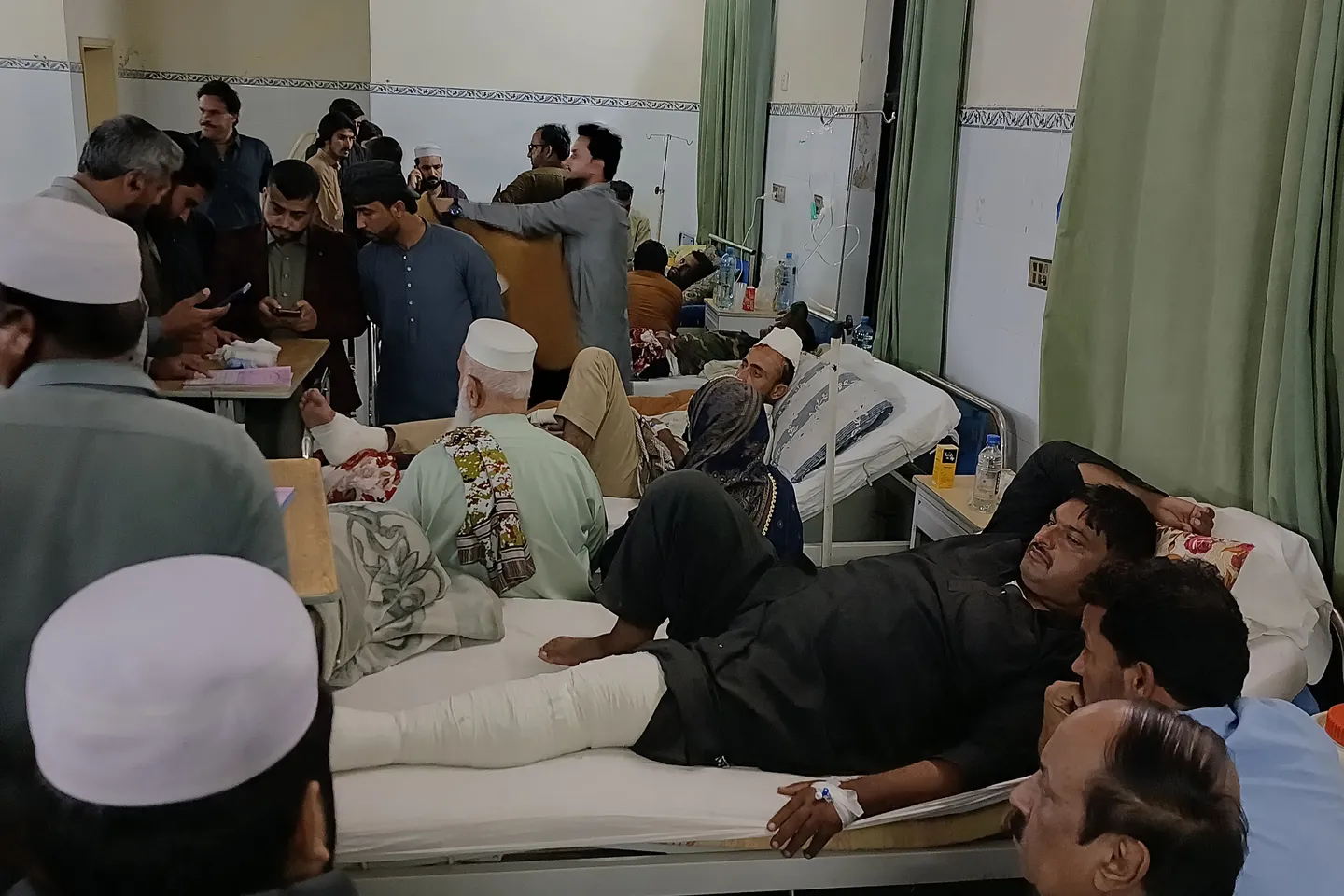
Gunmen opened fire on police officers in north-western Pakistan on Wednesday, killing ten and wounding twelve, according to a statement from provincial police in Khyber Pakhtunkhwa. The officers were returning from a mine in the Gumbat area of Kohat district, where they had been conducting an operation against illegal gold mining, when the attack took place. The same statement said eighteen militants were killed in the ensuing fighting.
According to the police account, the Tehrik-i-Taliban Pakistan subsequently claimed responsibility for a series of attacks across the country, including the assault on the police convoy in Gumbat. A senior administrative official in Kohat told AFP that the attackers set two police vehicles on fire, while two other police vehicles and one private vehicle were reported missing. A second senior official, in the Orakzai area of Kohat, said ten TTP militants were killed in a separate operation in the district and that a large quantity of weapons was recovered from them.
The casualty figures come from official Pakistani sources and have not been independently verified. The discrepancy between the eighteen militants reported killed in the Gumbat fighting and the ten reported killed in the separate Orakzai operation is not explained in the reporting, and it is not clear whether the two accounts overlap. Nor is it known how many attackers took part, what weapons they used, or whether any were captured. The identities of the dead officers have not been released.
The attack points to a persistent pattern rather than a single incident. Security forces in the border province are contending with what officials describe as intensifying militancy, which Islamabad says emanates from Afghan soil, an accusation the Taliban government in Kabul denies. Relations between the two countries have been fraught since the Taliban returned to power in 2021 and deteriorated sharply after deadly border clashes in October last year, which led to the near-total closure of the frontier. Clashes subsided after mediation, but fighting intensified again in February, when Pakistan declared what it called an open war on its neighbour.
The human cost has been substantial. Hundreds of civilians have been killed in fighting between the two countries since October last year, according to figures from the United Nations mission in Afghanistan. Wednesday's ambush adds to that toll on the Pakistani side of the border and will strengthen the hand of those in Islamabad who argue that dialogue with Kabul has produced nothing. It also illustrates how ordinary policing duties, in this case a operation against illegal gold mining, can become lethal in a province where militants operate with apparent freedom of movement.
What remains unconfirmed is the precise sequence of the Gumbat engagement, the fate of the missing vehicles, and whether the TTP's claim of responsibility covers the full scale of the assault. The wider question, of whether Pakistan's pressure on Kabul yields any reduction in cross-border attacks, has no answer in this report. The deaths of ten officers in a single ambush suggest that, for now, the trend is running the other way.