
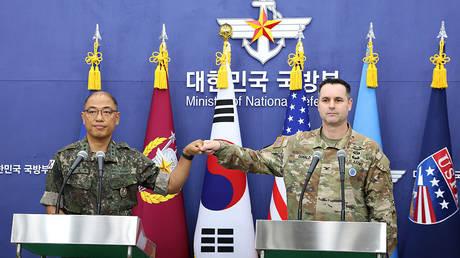
As the United States grapples with the dual challenge of maintaining robust alliances while ensuring its intelligence apparatus remains uncompromised, the implications for regional partner states could be profound.
The geopolitical landscape of Asia is witnessing a significant shift, as reports emerge indicating that the United States has begun to limit intelligence sharing with one of its key allies in the region. This recalibration raises critical questions about the underlying motivations and potential consequences for both the ally in question and the broader strategic environment.
This development comes at a time when regional tensions are on the rise, particularly concerning the assertive postures of China and North Korea. The United States has historically utilized intelligence sharing as a cornerstone of its alliances, aimed at bolstering collective security and enhancing deterrence against common threats. However, the recent decision appears to reflect a more cautious approach, possibly driven by concerns over data security, operational integrity, and the reliability of partner states in safeguarding sensitive information.
Moreover, this shift can be interpreted as part of a larger trend within U.S. foreign policy, where the intricacies of global interdependence are being weighed against the backdrop of national security. As the United States grapples with the dual challenge of maintaining robust alliances while ensuring its intelligence apparatus remains uncompromised, the implications for regional partner states could be profound. Allies may find themselves in a precarious position, facing increased pressure to fortify their own intelligence capabilities, potentially leading to an arms race of information gathering and analysis.
In navigating this evolving landscape, it is imperative for the United States to communicate transparently with its allies to mitigate misunderstandings and build trust. The delicate balance of sharing intelligence while protecting national interests is not an easy endeavor, yet it is essential for preserving the credibility of U.S. commitments in Asia. As this story unfolds, it will be critical to monitor the reactions from affected nations and the impact on their strategic calculations, particularly in regards to their own security alignments and partnerships.



