
The significance lies less in the sentence than in what the case has exposed.
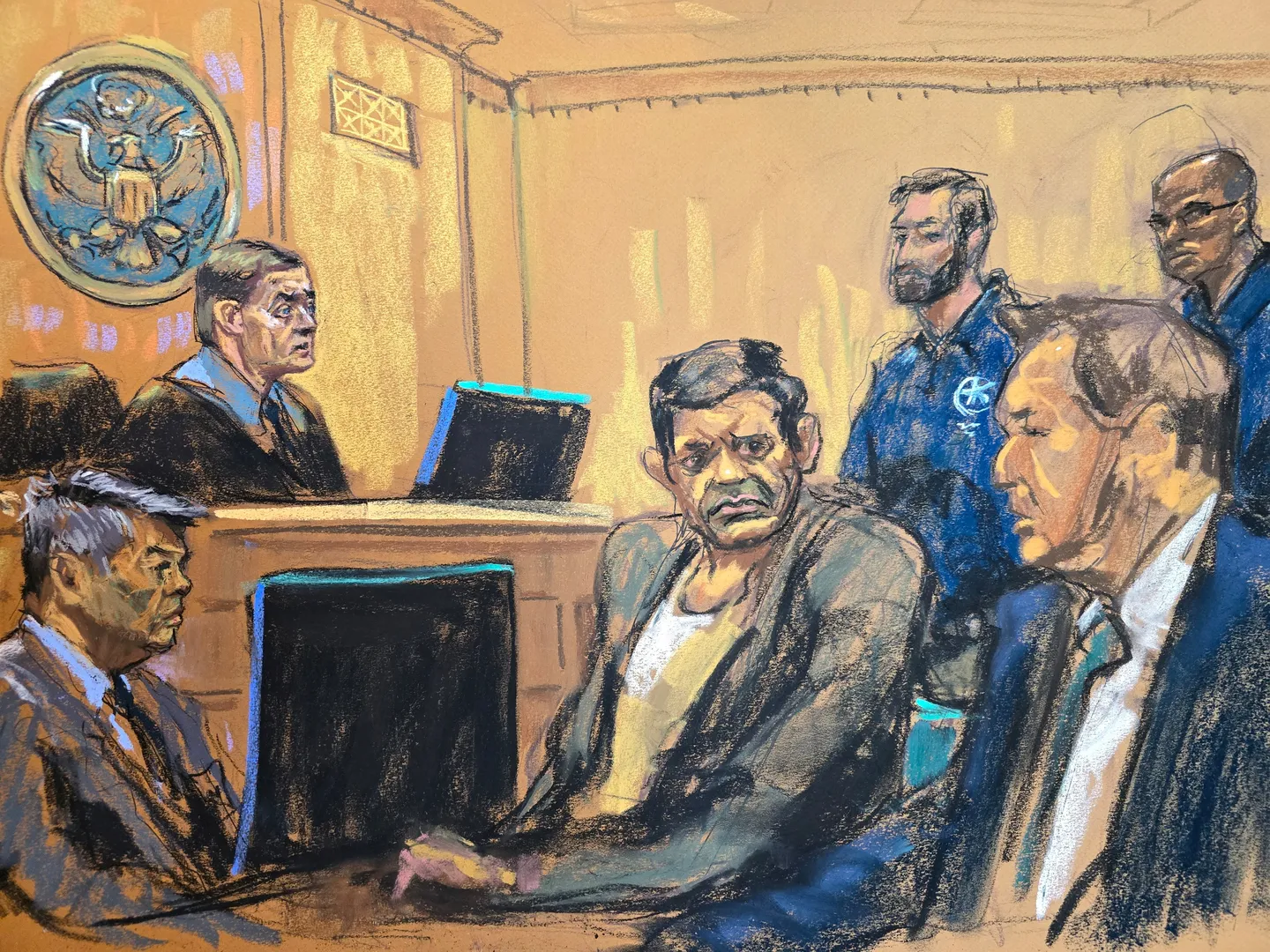
A US federal judge has sentenced Nikhil Gupta, a 55-year-old Indian national, to 235 months in prison for his role in an alleged plot to kill a Sikh separatist leader in New York, according to TRT World. Gupta pleaded guilty in February to murder-for-hire, conspiracy to commit murder-for-hire and conspiracy to commit money laundering. Judge Victor Marrero handed down the sentence in Manhattan federal court on Friday.
The target was Gurpatwant Singh Pannun, a dual US-Canadian citizen and lawyer with Sikhs for Justice, who has campaigned for a sovereign Sikh state in northern India. Prosecutors alleged that Gupta plotted with an Indian government official, Vikash Yadav, to arrange for $15,000 in cash to be delivered to a purported hitman who was in fact an undercover US law enforcement officer. Yadav is also charged in the case but is not in US custody, and it is unclear whether he has retained a defence lawyer. Gupta told the court he regretted straying from the nonviolent example of Mahatma Gandhi, and apologised to Pannun, to the communities he had hurt and to his own family.
The Manhattan US Attorney's Office had sought a sentence of about 24 years; the court imposed just under 20. A prosecutor, Ashley Nicolas, framed the case in terms of American values, saying the country does not condone the use of violence to silence voices. Pannun, addressing the court, thanked the US for prosecuting Gupta and said self-determination for Punjab would remain his lifetime goal. India's government has dissociated itself from any plot against Pannun, describing such action as contrary to government policy, and New Delhi has denied involvement in assassination plots of this kind.
The significance lies less in the sentence than in what the case has exposed. The discovery of alleged plots against Sikh activists in the United States and Canada has tested relations with India, and the Pannun affair fed directly into a diplomatic crisis with Ottawa. The demand for Khalistan in Punjab, and allegations of Indian involvement in targeting dissidents abroad, have become a persistent irritant in Delhi's dealings with Western capitals at a time when those relationships carry considerable strategic weight.
Several elements remain unresolved. Yadav has not appeared in a US court, and the question of accountability beyond Gupta is open. The extent to which the alleged operation reflected official policy rather than the actions of individuals is contested: Washington's prosecutors have described a government-backed plot, while New Delhi denies involvement. The case has also raised questions about how far US-India security cooperation can insulate the relationship from such disputes. What is confirmed is the conviction and the sentence; what follows for the wider relationship is not.



