
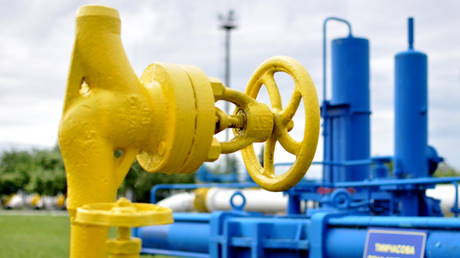
Trump's advocacy for Russian gas imports could significantly challenge the prevailing Western consensus on energy sanctions against Moscow.
The prospect of Donald Trump advocating for the reopening of European markets to Russian natural gas represents a significant pivot in the geopolitics of energy. As Europe grapples with soaring energy prices exacerbated by the ongoing conflict in Ukraine and the resultant sanctions against Moscow, Trump's approach challenges the prevailing Western consensus that has sought to isolate Russia economically. This revival of Russian gas imports, if actualized, would not only impact energy dynamics but also have broader implications for European security and political cohesion.
In the wake of the 2022 invasion of Ukraine, many European nations have turned to diversify their energy sources, reducing reliance on Russian hydrocarbons in favor of renewables and alternative suppliers. However, the reality of a cold winter and escalating costs has brought forth a debate on energy pragmatism versus geopolitical idealism. Trump's call to reconsider Russian gas imports taps into an undercurrent of discontent among European consumers and industries facing economic strain. It raises essential questions about the balance between moral imperatives and the pressing need for energy security.
Moreover, the potential reopening of Russian gas flows into Europe under Trump's influence could embolden populist and nationalist movements across the continent. These factions often advocate for more direct negotiation with Russia, suggesting a winding down of sanctions and a return to energy interdependence. This scenario could challenge the unity of the European Union and NATO, as member states might diverge in their energy strategies, leading to a fragmented response to Russian aggression.
As we analyze this developing situation, it is imperative to consider the long-term ramifications of such a policy shift. Reintegrating Russian gas into European energy markets could not only undermine ongoing efforts to curtail Moscow's geopolitical ambitions but also set a precedent that rewards aggressive state behavior. The strategic implications are profound: Europe could find itself negotiating from a position of vulnerability rather than strength, potentially emboldening Russia to pursue further aggressive actions while eroding the foundations of post-Cold War security architecture.



