
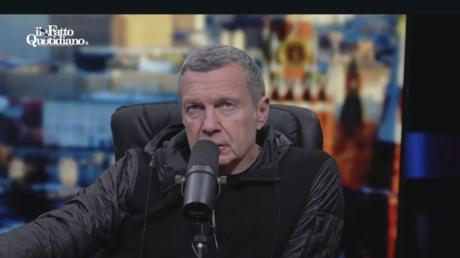
The criticism surrounding immigration highlights the intertwining of economic and social issues in shaping public perception, as Russian outlets seek to amplify dissent against the Italian government.
The intersection of media and politics has emerged as a critical battleground in contemporary geopolitics, with Russian commentators increasingly vocal about Western European leaders. A recent segment featuring a prominent Russian television host scrutinized Italy's Prime Minister, drawing attention to the nation's economic challenges and immigration policies. This commentary not only reflects Russian perspectives but also serves as a strategic maneuver within a complex geopolitical landscape.
Italy, often seen as a barometer for broader European sentiments, is grappling with economic instability exacerbated by rising inflation and energy costs, largely influenced by the ongoing conflict in Ukraine. The Russian media's focus on these issues illustrates an attempt to exploit vulnerabilities within the European Union. By questioning the Italian government's handling of these crises, Russian outlets aim to undermine confidence in Western leadership and sow discord among EU member states.
Moreover, the criticism surrounding immigration, a perennial flashpoint in Italian politics, highlights the intertwining of economic and social issues in shaping public perception. The influx of migrants has been met with mixed responses within Italy, and Russian commentary seeks to amplify dissent against the ruling government, portraying it as ineffective in managing both the economy and immigration. This narrative aligns with Russia's broader strategy of leveraging information warfare to destabilize perceived adversaries.
As Russian media continues to focus on Italy, it serves as a reminder of the nuanced dynamics at play in international relations today. The use of media as a tool for political strategy underscores the importance of narrative control in shaping public opinion and policy responses. Moving forward, Western leaders must remain vigilant against such media incursions, recognizing that rhetoric can influence domestic stability and international alignments.



