A meter that reports zero looks like a customer using nothing, and the service charge continues to be paid on autopay, so nothing appears overdue.
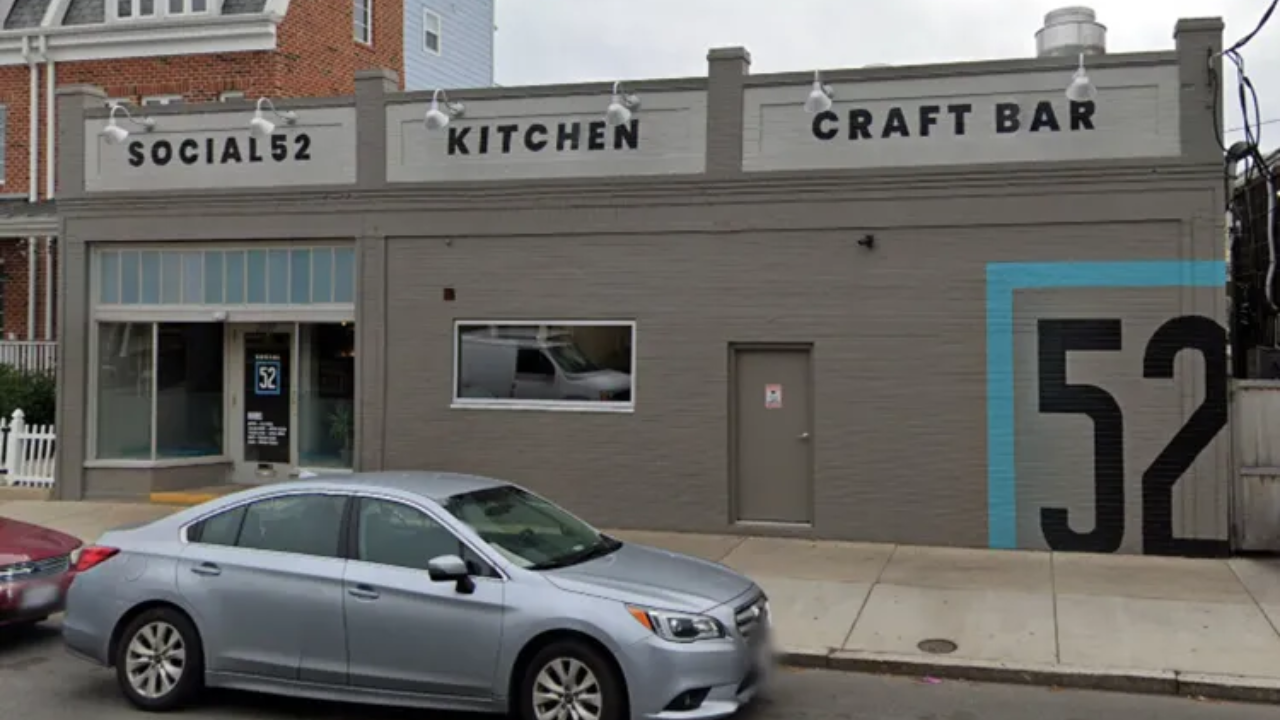
A restaurant in Richmond, Virginia, has been billed $51,594.99 for water in a single month after a damaged meter transmitter was found to have been recording zero consumption, according to the Times of India, citing reporting by 8News. Social 52 Kitchen and Craft Bar said the Department of Public Utilities traced the billing error back to 2023. Co-owner James Baldwin told 8News he "never knew anything was wrong", noting that the company's water and gas bills are on autopay.
The department's explanation of how the arrears accumulated is straightforward in its own terms. Where no consumption is reported, customers are charged only a monthly service charge, so a meter transmitting zero reads generates a small, plausible bill rather than an obvious anomaly. The department told 8News it had introduced several process improvements over the past year, one of which was to verify zero consumption reads. That check uncovered the damaged transmitter at the restaurant, and the department said its workers investigated and billed the account accordingly.
Baldwin's objection is less about the arithmetic than about the delay. He said a month or two, or even around six months, would be understandable, but that three years had passed without payment being received on an account that apparently owed so much. He told the outlet he believed it must be a systemic issue, or it would have come to light more quickly. The department acknowledged that receiving a large bill can be challenging for customers, and said its priority is to make sure the bill is accurate before working with the customer to make payments manageable.
The case turns on a quiet failure mode in automated billing. A meter that stops reporting entirely is likely to prompt an inquiry; a meter that reports zero looks like a customer using nothing, and the service charge continues to be paid on autopay, so nothing appears overdue. The department's new practice of verifying zero reads is an attempt to close that gap, though the report does not say how many other accounts have been reviewed or whether similar cases have been found.
Several things are not yet known. The report does not state whether the restaurant has paid the bill, whether the charge has been reduced or placed on a payment plan, or how the department proposes to prevent a repeat. It also does not say whether the damaged transmitter has been replaced or how the three-year figure was reconstructed. Those details will determine whether this is an isolated fault or a broader weakness in how utilities distinguish between a customer who uses no water and a meter that has stopped telling the truth.