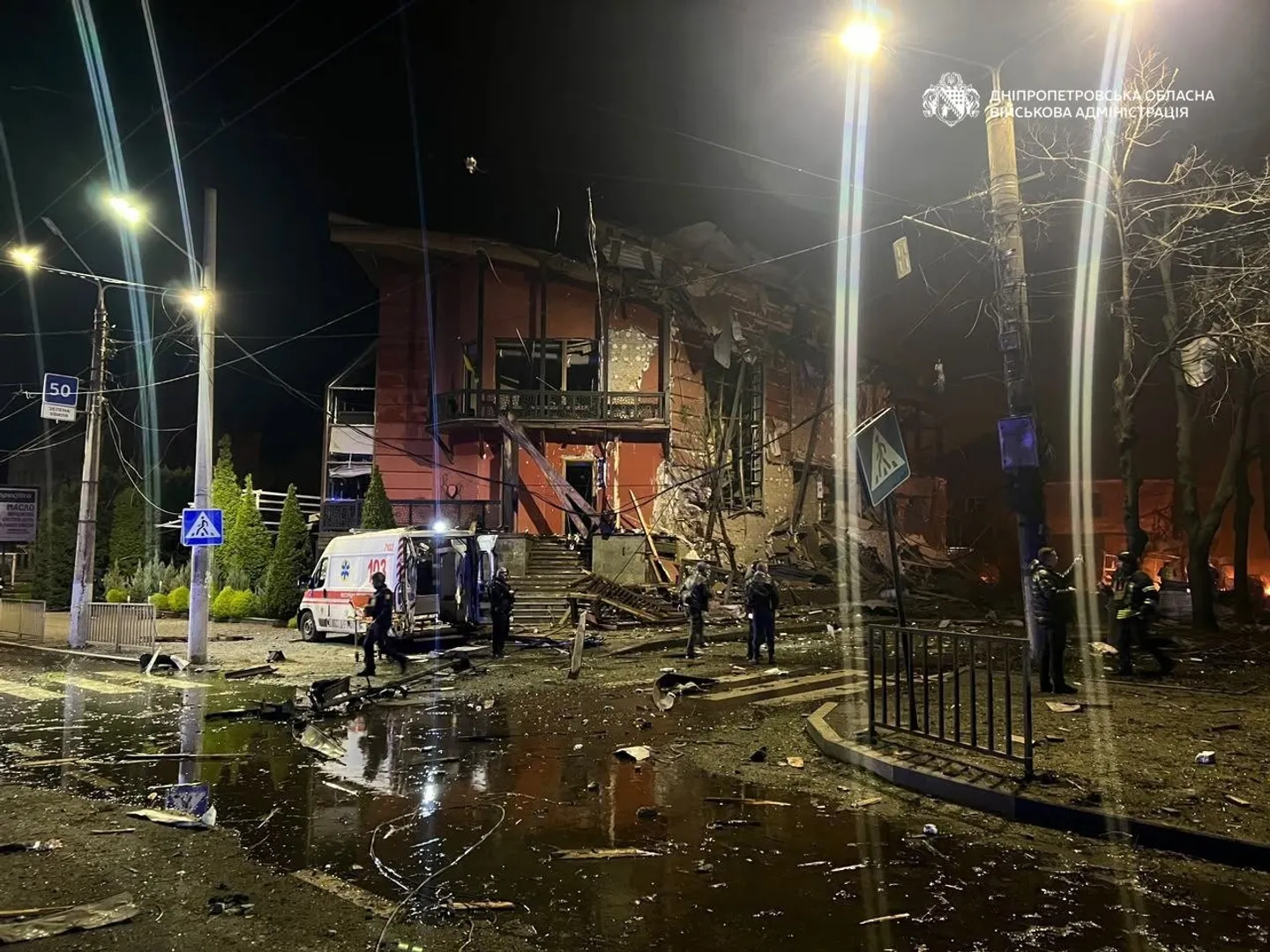
The killing of a player so soon after such a competition will be read by many Palestinians as an attack on ordinary life itself.
Al Jazeera reports that the Palestinian footballer Mahmoud Abdel-Malek, a goalkeeper, was killed in an Israeli strike in Gaza. According to the headline and summary carried by the broadcaster, his death came days after a tournament described as the Thousand Martyrs Cup. The material available does not specify the location of the strike, the date on which it occurred, whether others were killed or wounded, or whether Abdel-Malek was targeted or caught in a wider attack. It does not name his club, his age, or the competition in which the tournament was played. Officials quoted by Al Jazeera did not, in the material supplied, offer further comment, and no Israeli statement on the incident is included.
What can be said is that the death of a named athlete is the kind of event that travels beyond the sports pages. Football has been one of the few organised activities to continue in Gaza through successive rounds of fighting, and tournaments named for the dead carry a commemorative weight that makes them politically as well as socially significant. The killing of a player so soon after such a competition will be read by many Palestinians as an attack on ordinary life itself, and it will be cited by critics of Israeli military conduct. That reading is a matter of interpretation, not of established fact, and the gap between the two should be kept in view.
The wider difficulty is one of verification. Reporting from Gaza has been constrained by access restrictions, damaged infrastructure and the risks facing journalists, and single-source accounts of individual deaths are often difficult to confirm independently. This report rests on a headline and a short summary; the full article was not available. Readers should treat the details as reported rather than confirmed, and should be alert to the possibility that further information — about the circumstances, the target and the casualties — may change the picture.
The strategic significance is modest but real. Each named civilian death, particularly of a public figure, adds to the pressure on mediators and to the argument that the protection of non-combatants remains the central unresolved question in this war. It also illustrates how thin the public record can be when access is limited. Until more is known, the responsible course is to record the death, attribute the account, and resist the temptation to fill the silence with inference.