What it does establish is that a single determined intruder, working with hand tools and chemicals over several hours in daylight, could put a front-line military transport beyond repair at a civilian airport that hosts US forces.
A 48-year-old Irish man has been charged in the United States with destroying a $60 million American military aircraft at Shannon Airport in Ireland, according to an indictment unsealed on Tuesday in Manhattan. Daithi O'Corrain, also known as David Curran, faces one count of destruction of US government property over the incident on 11 April. If convicted, he faces up to 10 years in prison.
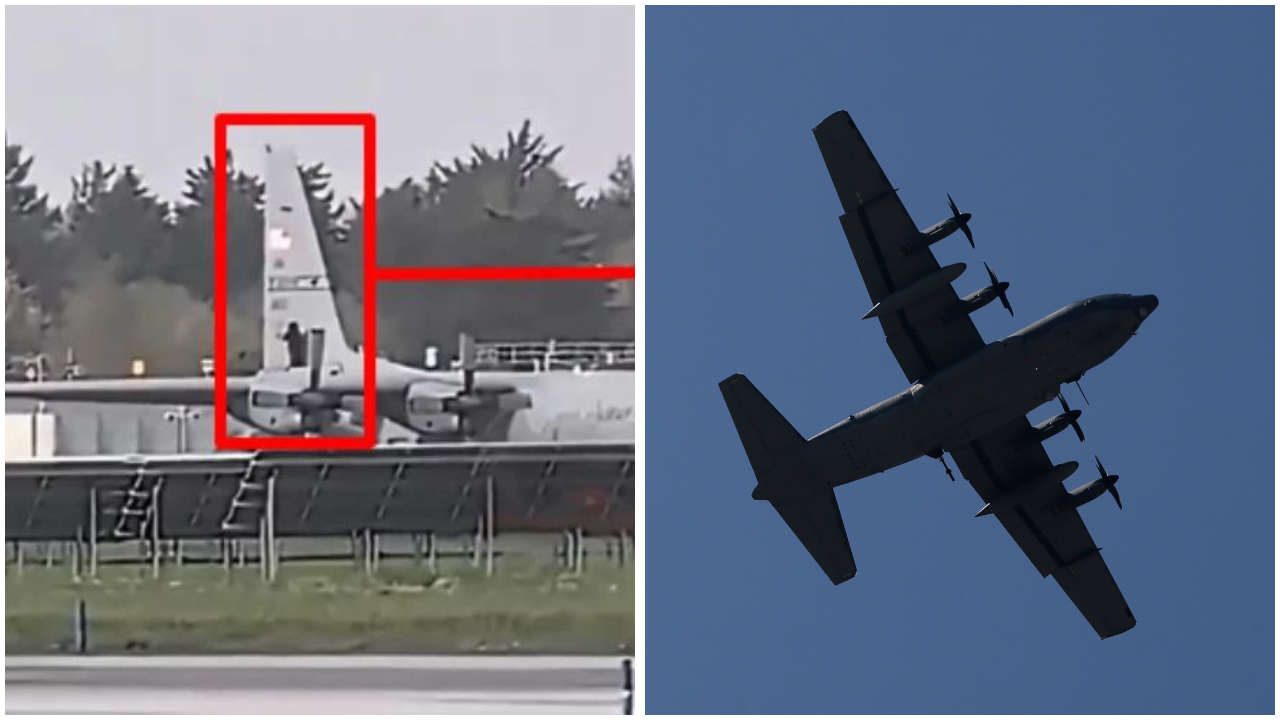
US prosecutors allege that O'Corrain breached the airport's security perimeter at around 4.40 am and entered a US Air National Guard C-130 Hercules parked on a taxiway. The aircraft was en route to another country for a military assignment. Prosecutors say he destroyed its locking mechanism to gain access, barricaded himself inside, and used straps, brackets and screws to secure the doors, placing ball bearings mixed with epoxy in the door tracks. Over the following hours he allegedly cut wire bundles and hydraulic lines, crimped a liquid oxygen line, punctured air ducts and smashed every gauge in the cockpit, as well as using an axe on the exterior and pouring substances and objects into the fuel tanks. The aircraft was rendered inoperable and will not return to active flight status.
The indictment alleges months of preparation. Prosecutors say O'Corrain researched the construction of the C-130 online, sought coordinates that would let him enter the airport grounds undetected, subscribed to a live flight-tracking application covering military aircraft, and ordered capsules of gallium, a chemical that can corrode steel and break down aluminium. He is also alleged to have tried to contact someone previously involved in a security breach at Shannon. James Barnacle, head of the FBI's New York office, said the case was "not an act of spontaneous vandalism". According to the BBC, FBI officials said he had acquired tools and materials and prepared to maximise the damage, and prosecutors allege he avoided cutting one particular line because doing so could have risked an explosion.
The crew returned to the airport after resting elsewhere and spotted O'Corrain through the uncovered cockpit windshield at around 9.40 am, according to the indictment, then alerted security. Crew members saw him emerge through a roof hatch and swing an axe at the aircraft's exterior. He was arrested at the scene by An Garda Siochana and charged in Ireland with criminal damage and trespassing. He is not currently in US custody and no arraignment has been scheduled.
The case matters beyond the airframe. Shannon is an international gateway and a hub for American troops and military equipment, and it has seen several security breaches in recent years: the BBC reports that three people drove a van through its perimeter fence in May 2025, while another incident that month involved three people accused of spray-painting a US military aircraft. Manhattan US Attorney Jamie McDonald said the indictment sent "a clear and powerful message that attacks on US military assets — and thus our national security — will not be tolerated". Supporters describe O'Corrain as an independent peace activist; an online fundraiser organised by people identifying themselves as friends and comrades said he damaged the aircraft in protest against US involvement in the war with Iran and its support for Israel's war in Gaza. Tracey Ryan, named as the fundraiser's organiser, wrote of "an inspiring act of direct action" at Shannon.
What remains unconfirmed is the substance of the US case as it will be tested in court, the terms of any extradition, and whether the Irish proceedings will proceed alongside the American charge. The indictment is an allegation, not a finding. What it does establish is that a single determined intruder, working with hand tools and chemicals over several hours in daylight, could put a front-line military transport beyond repair at a civilian airport that hosts US forces — and that the perimeter at Shannon has now been breached more than once.